5 Things That Matter: The Margins Will Matter for Indiana at Nebraska
Indiana heads to Lincoln with an unbeaten record, a 21-game winning streak and growing expectations.
Nebraska is unbeaten, too.
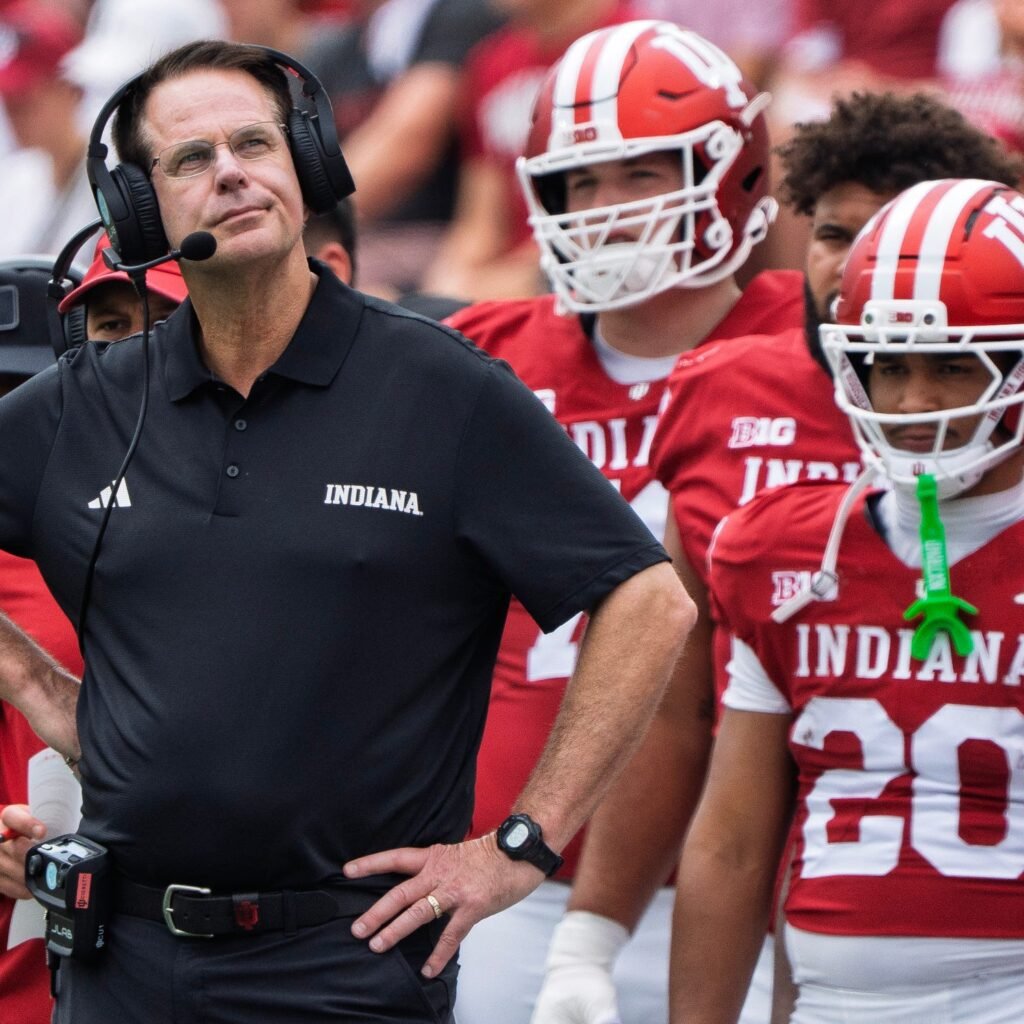
We can spend plenty of time comparing the numbers — and we will — but the deeper I get into this matchup, the more I believe Saturday may not be decided by which team is dramatically better in one statistical category.
These teams have more similarities than differences.
That changes what I’m looking for.
When two football teams are this closely matched, games are often decided by a handful of plays that won’t necessarily jump off the scouting report beforehand.
A punt that flips the field. A quarterback trying to make one play too many. A field goal instead of a touchdown. A third-down scramble after the defense did everything right for five seconds. Or one team maintaining its composure when 85,000-plus people are trying to create chaos around it.
Here are my 5 Things That Matter as Indiana heads to Lincoln.
1. Hidden Yardage May Not Be Hidden Saturday
Coaches talk about hidden yardage all the time because it doesn’t necessarily appear in the offensive and defensive statistics everyone studies during the week.
But it changes football games.
Where does Indiana begin its possessions? Where does Nebraska begin its possessions? Can the punt team turn a drive that stalls near midfield into Nebraska beginning inside its own 10? Can Indiana’s return game steal 15 or 20 yards before Josh Hoover ever steps onto the field?
Those differences become magnified when two teams are otherwise closely matched.
Then there’s the kicking game. Indiana left points on the field against Rutgers with a missed PAT and a short missed field goal.
The Hoosiers were good enough elsewhere that it didn’t determine the outcome. You cannot assume you’ll have that luxury in Lincoln.
If Saturday becomes a one-possession game in the fourth quarter, those points matter. Field position matters. Coverage matters. Returns matter. The operation matters.
Special teams may be the easiest place for either team to create separation.
2. The Quarterback Who Avoids the One Big Mistake
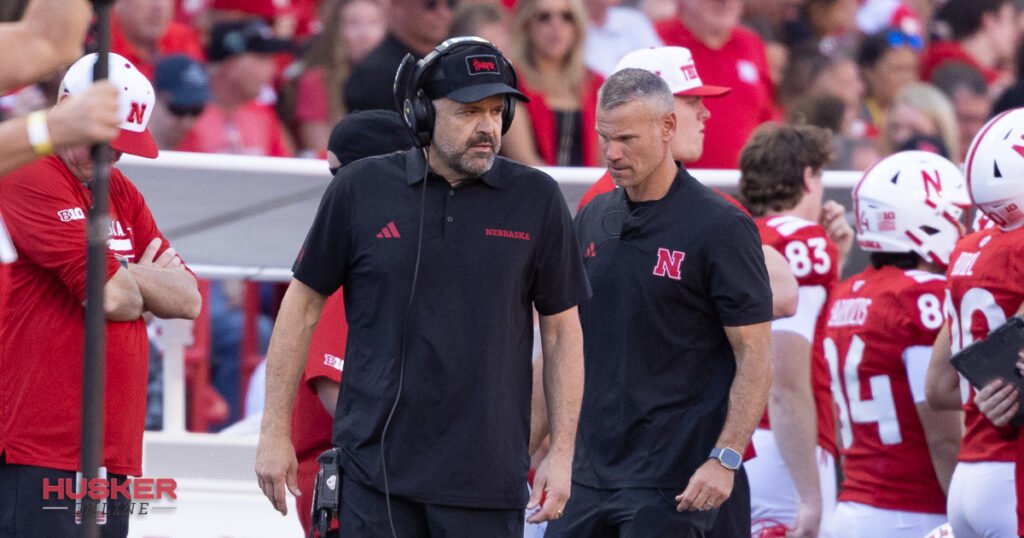
We’ve already broken down Josh Hoover and Anthony Colandrea in our Two Gunslingers comparison.
They’re different quarterbacks who present different problems. But Saturday doesn’t necessarily require either one to play superhero.
In fact, the quarterback who understands when not to make a play may have the advantage.
There are going to be moments when Nebraska wins a protection against Hoover. Take the sack. Throw it away. Live for the next snap.
There are going to be moments when Indiana closes Colandrea’s escape lanes and takes away his first read. The same applies.
Because the dangerous play in a game like this isn’t necessarily the incomplete pass or the three-yard scramble. It’s trying to turn nothing into something and instead turning it into a takeaway.
Hoover’s ball security has been one of the most impressive parts of his start at Indiana. That becomes even more important on the road.
A turnover doesn’t just give Nebraska possession. It potentially gives Nebraska a short field and brings Memorial Stadium completely into the football game.
Sometimes the best quarterback decision is deciding that the play is over.
3. Indiana Has to Finish Drives
This one isn’t going away until Indiana fixes it.
The Hoosiers have demonstrated they can move the football. They just rolled up nearly 600 yards of offense against Rutgers and ran the football extremely well.
But I continue to watch what happens when Indiana gets inside the 5-yard line.
We saw the issue against Northwestern. We saw it again against Rutgers.
The field changes down there. Safeties are closer to the line of scrimmage. Defenders don’t have to respect the same vertical space. Running lanes become compressed, and simply lining up and expecting to physically move a defense becomes considerably more difficult.
So what has Mike Shanahan worked on this week? That’s one of the first things I’m watching.
Formation? Motion? An additional gap? Play-action? RPO? Perimeter run?
And I keep coming back to something we’ve discussed for several weeks: Josh Hoover as part of the run equation.
Indiana doesn’t need Hoover carrying the football 10 times. But inside the 5, making Nebraska account for the quarterback changes the mathematics of the run fit.
One Hoover keeper can affect how that backside defender plays the same look the rest of the afternoon.
Against an evenly matched opponent, Indiana cannot continually turn potential seven-point possessions into three.
Touchdowns, not field goals.
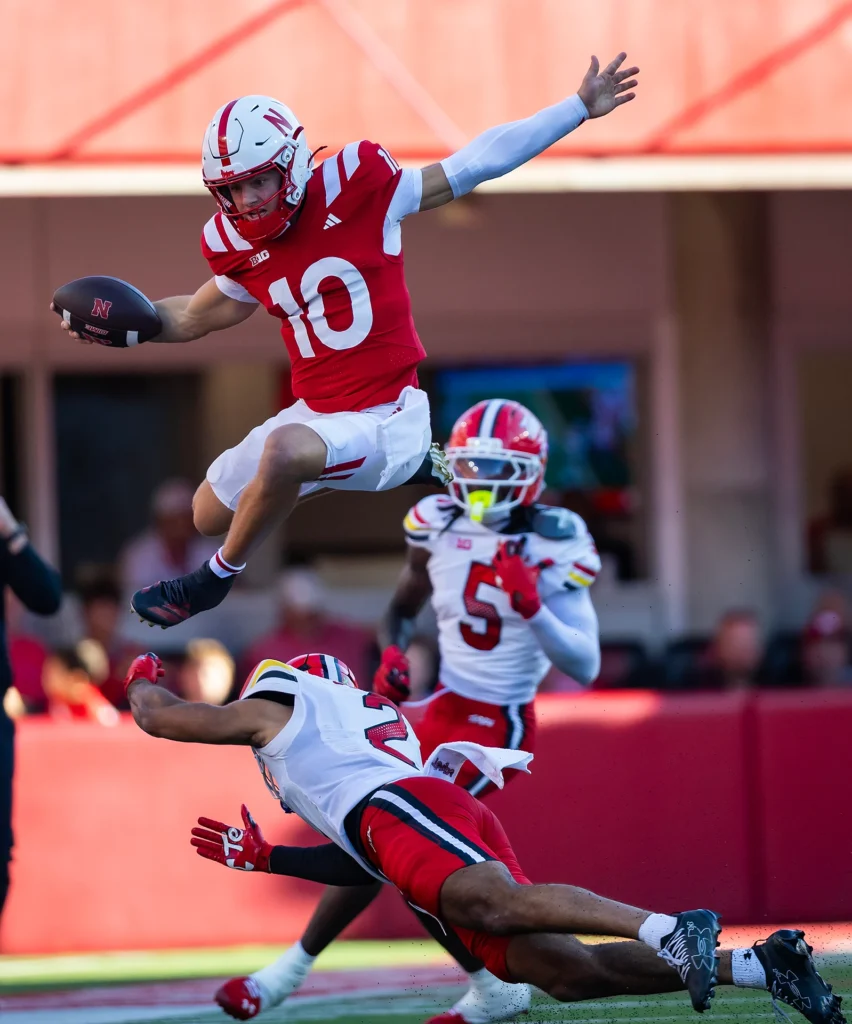
4. Defend Colandrea Without Changing Who You Are
Anthony Colandrea presents Bryant Haines with an interesting problem.
Indiana wants to pressure quarterbacks. Indiana wants negative plays. Indiana wants its defensive front attacking rather than reacting.
So how much do you change because Nebraska’s quarterback can hurt you with his legs?
I’ve already discussed the possibility of a spy, and I still believe we could see one situationally.
But I would be surprised if Indiana dedicated a defender to spying Colandrea on every snap.
There’s a cost associated with that. Take one defender and assign him exclusively to the quarterback and you’ve removed that player from something else — coverage, pressure or the normal run fit.
Instead, I’m watching Indiana’s rush-lane discipline.
Don’t run past Colandrea. Don’t give him an open B-gap because two rushers attacked the same lane. Don’t allow a third-and-9 where the coverage wins to become a 17-yard quarterback scramble.
Pressure him. Make him uncomfortable. But keep him contained.
Indiana’s objective should be to make one play equal one play.
If Haines calls the right defense and the Hoosiers win the snap, finish it. Don’t allow Colandrea to create a second play.
5. Who Handles the Moments?
This may be the most important one.
Statistics can tell us an enormous amount about two football teams. They cannot tell us who will respond better when the game changes emotionally.
Indiana is going into Lincoln. There will be noise. There will be momentum swings. There will probably be a moment when Nebraska makes a big play and the building erupts.
What happens next? That’s road football.
Third-and-2. Fourth-and-1. Backed up inside your own 10. A sudden-change possession after a turnover. A questionable call. A missed opportunity. The final four minutes of a one-score football game.
Those are the moments.
Curt Cignetti has consistently preached about preparation, execution and treating each game as the next game rather than making the occasion bigger than it needs to be.
Saturday will test that approach.
Indiana doesn’t need to win the crowd. It doesn’t need to respond emotionally to everything Nebraska does.
It needs to win the next snap. And then do it again.
Coach Griff’s Final Word
There are games where you look at the matchup on Tuesday and immediately identify a glaring advantage. I’m not sure this is one of them.
Indiana and Nebraska have enough similarities that our upcoming By the Numbers comparison may reinforce just how closely these teams match up statistically.
That means I’m looking somewhere else for the difference.
Hidden yards. One turnover. Seven points instead of three. One third-down Colandrea scramble that Indiana either allows — or prevents. One fourth-quarter possession with Memorial Stadium at full volume.
Those aren’t little things Saturday. They may be the things.
And when two teams are this closely matched, we may walk out of Memorial Stadium realizing this game wasn’t decided by 50 plays.
It was decided by five.